1. Describe the issue
Share the location, broad symptoms, and any immediate safety concern with the intake assistant.
Water in the basement? Know the next step. Peoria properties can face river moisture, sump failures, frozen pipes, and storm leaks. This guide helps owners compare mitigation options and request local water damage quotes safely.
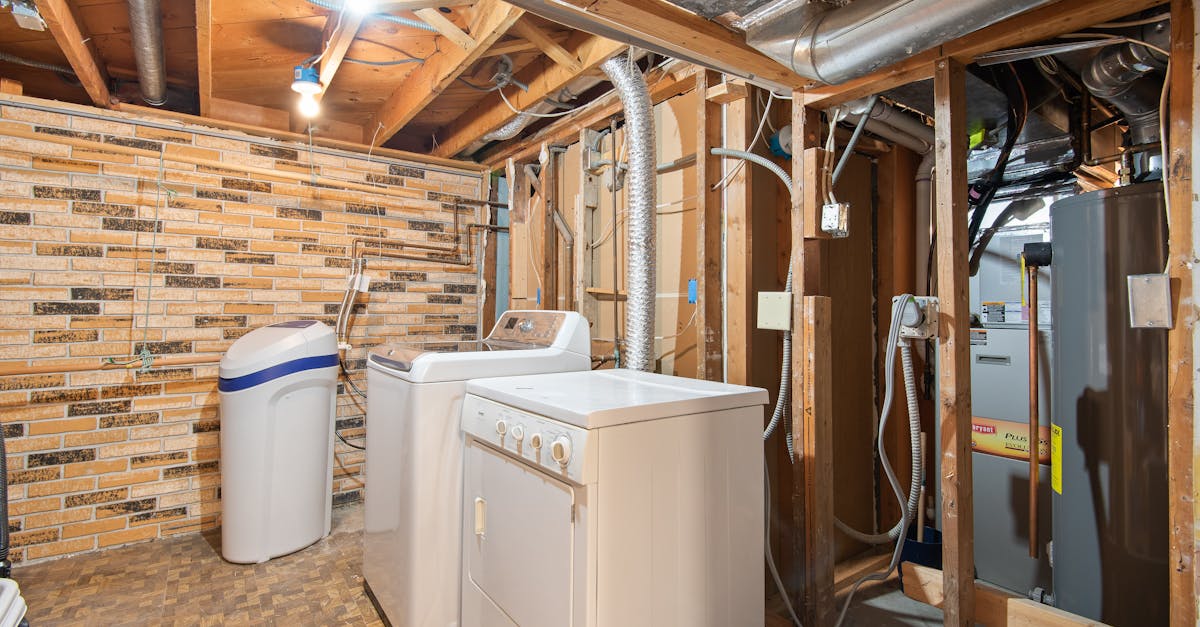
An automated intake assistant may collect the location and broad issue, then explain available referral or research options. It cannot diagnose, set a price, schedule a contractor, or guarantee availability.
Two ways to continue: call the automated intake line or send a short request using the form below.
Call (309) 481-8080This independent referral-resource site is not a contractor and cannot diagnose, price, schedule, or guarantee provider availability.
How it works
Share the location, broad symptoms, and any immediate safety concern with the intake assistant.
Use the local guides to document dates, photos, affected materials, and questions without attempting unsafe diagnosis.
Confirm each provider's credentials, insurance, availability, written scope, exclusions, price, and warranty terms directly.
PEORIA WATER DAMAGE GUIDE
Local considerations include Illinois River flooding, basement seepage, freeze-thaw plumbing issues, and older homes. Review the categories below so you can describe the concern and compare written scopes more clearly.
Fast removal of standing water after leaks, overflows, appliance failures, or storm intrusion.
Dehumidification and air movement planning to dry walls, floors, and framing without guesswork.
Evaluate sump, drainage, vapor, and grading issues that keep damp areas from drying out.
Quote requests for roof leaks, wind-driven rain, and localized flooding after severe weather.
Guidance on timelines, materials, and questions to ask before water damage turns into microbial growth.
Prepare the right questions about photos, invoices, scope, and adjuster coordination.
Common situations
These are illustrative situations, not completed projects or claims about a particular provider.
Sump and drainage review
Drying and demolition questions
Moisture mapping
Contamination questions
Start here
A practical first-hour and first-day checklist for safety, photos, moisture, insurance notes, and minor-cleanup supplies people search for after a leak — wet/dry shop vacs, air movers, leak sensors, and moisture meters.
Educational content only. Shopping links live on a separate checklist page with sponsored-link disclosure and safety limits.
Areas
Nearby communities people often include when comparing providers. Verify each provider’s service area, credentials, insurance, and availability directly.
Do not treat floodwater or sewage as normal clean water. Ask providers how they classify water category and handle contaminated materials.
Independent education and quote-request guide only; no direct service, emergency dispatch, or licensing claims are made by this site.
Guides
Local/niche guides written to help visitors decide what is urgent, what to document, and what questions to ask a provider.
FAQ
Ask about water category, affected materials, drying logs, equipment, and final moisture readings.
No. Groundwater seepage, sewer backup, sump failure, and pipe leaks require different scopes.
No. It is an independent quote-request resource and homeowner guide.
Call / resources
Calls may be answered by an automated intake assistant and may be recorded or transcribed for follow-up, routing, quality review, and traffic analysis. The assistant cannot diagnose, price, schedule, or promise provider availability. Call (309) 481-8080 for intake.